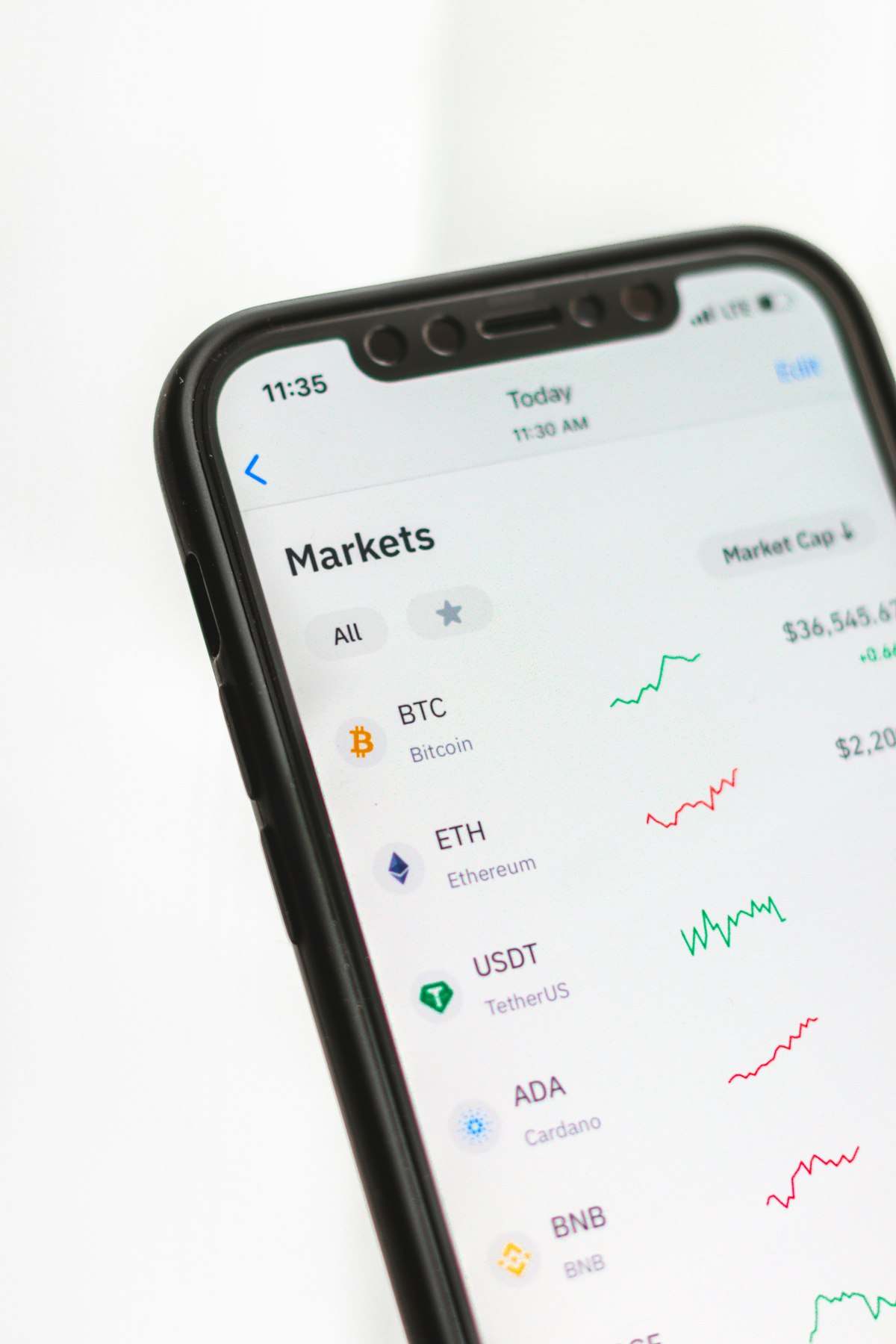

Cryptocurrency in Kenya has evolved from speculation to practical use cases in 2026. While get-rich-quick schemes still exist, many Kenyans now use crypto for legitimate purposes: cross-border payments, freelance work, remittances, and savings. Let me cut through the hype and show you what’s actually working.
The Legal Reality in Kenya
Cryptocurrency is legal but not regulated as legal tender. Central Bank of Kenya (CBK) has maintained its cautious stance through 2026 - crypto isn’t banned, but it’s not officially recognized either.
You can legally:
- Buy, sell, and hold cryptocurrency
- Use it for payments between willing parties
- Receive crypto payment for freelance work
- Trade crypto on exchanges
You cannot:
- Force anyone to accept crypto as payment
- Call crypto “legal tender”
- Run unregistered crypto exchanges (exchanges need business licenses)
Tax obligations: KRA requires declaring crypto gains. Capital gains tax applies when you profit from trading. Many Kenyans don’t comply, but this is technically tax evasion. As crypto becomes mainstream, enforcement will likely increase.
The government is watching: Parliament has discussed crypto regulation multiple times. Expect clearer regulatory framework by 2027-2028, but as of January 2026, the gray area continues.
How Kenyans Actually Use Crypto
Cross-Border Payments and Remittances
This is where crypto shines for Kenyans. Traditional international transfers are expensive:
Banks: 3-7% fees plus poor exchange rates. Takes 2-5 days.
MoneyGram/Western Union: 5-10% fees. Instant to few hours.
Crypto alternative: 0.5-2% fees. Minutes to hours.
Kenyans working remotely for international clients increasingly request payment in stablecoins (USDT, USDC) to avoid high withdrawal fees from platforms like PayPal or Payoneer. Convert to KES through local exchanges.
Diaspora sending money home also use crypto. Send USDT from USA/UK/Europe, recipient converts to M-Pesa in Kenya. Saves significant money on large amounts.
Freelance Payment
Many international clients pay freelancers in cryptocurrency, especially those in tech, writing, design, and virtual assistance. Benefits:
- No PayPal limitations (many Kenyan accounts face restrictions)
- Lower fees than traditional platforms
- Faster payment (no 7-14 day holds)
- No disputes/chargebacks once confirmed
Freelancers typically receive USDT or USDC (stablecoins pegged to US dollar), then convert to KES through local platforms.
Savings and Investment
Some Kenyans hold crypto as:
Hedge against inflation - KES has lost value over the years. Some save in stablecoins (dollar-pegged) rather than KES.
Investment - Bitcoin and Ethereum have gained value long-term despite volatility. High-risk investment, but some allocate small percentage of savings.
Important: Only invest what you can afford to lose completely. Crypto is extremely volatile.

Platforms That Work in Kenya (2026)
Local Exchanges
Binance - Most popular globally, works well in Kenya. Supports P2P trading (buy/sell directly with Kenyans via M-Pesa). Large user base means liquidity. Fees 0.1-0.5%.
Paxful - P2P marketplace. Buy/sell Bitcoin using M-Pesa, bank transfer, gift cards. Good for small amounts. Slightly higher fees but very convenient.
LocalBitcoins - Original P2P platform. Declining in popularity but still works. Use escrow feature for safety.
Remitano - Growing in Kenya. Clean interface, M-Pesa integration. Fees around 1%.
International Platforms Accessible from Kenya
Coinbase - Large international exchange. Requires bank account or card for purchase. More expensive but trusted. Good for long-term holding.
Kraken - Another major exchange. Lower fees than Coinbase. More crypto options.
Luno - South African exchange popular in Africa. Simple interface for beginners.
How to Cash Out to M-Pesa
P2P on Binance or Paxful: Most common method. Sell USDT/BTC to Kenyan traders who send M-Pesa. Transaction completes in 10-30 minutes typically. Rates competitive.
Local crypto sellers: WhatsApp/Telegram groups where traders buy/sell crypto. Higher risk (meet in person or trust unknown parties). Only use this if experienced.
Crypto ATMs: None widely available in Kenya yet as of 2026.
Common Scams and How to Avoid Them
Ponzi Schemes Disguised as Crypto
The pattern: “Invest in our crypto platform, earn 10% weekly returns!”
Examples that collapsed in Kenya: Velox 10 Global, OneCoin, BitClub Network, countless others.
Red flags:
- Guaranteed returns (crypto markets are volatile - no guarantees exist)
- Referral bonuses for recruiting (pyramid structure)
- No clear explanation of how profits are generated
- Pressure to invest quickly
- Can’t withdraw funds easily
Rule: If someone promises consistent high returns in crypto, it’s a scam. Real crypto investing means risk and volatility.
Fake Exchanges
Scammers create websites that look like real exchanges. You deposit money, then can’t withdraw.
Protection:
- Only use well-known exchanges
- Check URLs carefully (binance.com not binance-kenya.com)
- Search “[platform name] scam” before using new platform
- Start with small amounts
Pump and Dump Schemes
WhatsApp/Telegram groups promising “next big coin” that will “moon.” Group leader bought cheap, pumps price through hype, sells to members at peak, price crashes.
Protection: Ignore crypto tips from strangers or groups. If it sounds too good to be true, it is.
Fake Mining Opportunities
“Invest in our Bitcoin mining company, earn passive income!”
Most cloud mining is either scam or unprofitable after fees.
Reality: Mining Bitcoin profitably requires industrial-scale operations with cheap electricity. Individual Kenyans can’t compete. Ignore these “opportunities.”

Getting Started Safely
Step 1: Education - Don’t invest in what you don’t understand. Free resources:
- Binance Academy (free courses)
- Coinbase Learn (free, earn crypto while learning)
- YouTube channels: Coin Bureau, Andreas Antonopoulos
Step 2: Start Small - Use only money you can afford to lose completely. Start with KES 1,000-5,000 to learn.
Step 3: Choose Platform - Binance is most popular in Kenya. Create account (requires ID verification).
Step 4: Buy Crypto - Use P2P to buy USDT or Bitcoin with M-Pesa. Start small to test process.
Step 5: Secure It - For large amounts, transfer to hardware wallet (Ledger, Trezor). For small amounts, exchange wallet okay but enable 2FA (two-factor authentication).
Step 6: Track Taxes - Keep records of purchases, sales, profits. You’ll need these for KRA.
Practical Use Cases for Average Kenyan
Freelancer receiving $500/month from international client:
- Receive USDT to Binance wallet
- Sell via P2P for M-Pesa
- Save ~5-7% compared to PayPal
Diaspora sending KES 50,000 home monthly:
- Buy USDT/BTC in home country
- Send to family’s Binance wallet
- Family sells for M-Pesa
- Save ~3-5% compared to Western Union
Saver hedging against KES inflation:
- Convert savings to USDC (dollar-pegged stablecoin)
- Hold on exchange or wallet
- Value stays in dollars, not losing to KES inflation
- Risk: Exchange closure, hack, or USDC losing peg
Small investor with KES 20,000 to risk:
- Buy Bitcoin or Ethereum
- Hold long-term (years, not days)
- Don’t panic sell during drops
- Risk: Could lose everything
What Crypto Can’t Do
Be realistic:
- Won’t make you rich quickly - despite stories, most traders lose money
- Won’t replace banks tomorrow - traditional finance still necessary for most transactions
- Won’t eliminate fraud - scams exist in crypto as in everything
- Won’t stay stable - crypto prices swing wildly
The 2026 Reality
Cryptocurrency in Kenya has matured from pure speculation to having practical applications. Thousands of Kenyans use it daily for legitimate purposes - primarily cross-border payments and freelance income.
However, scams still outnumber legitimate opportunities. Ponzi schemes reinvent themselves constantly. Regulation remains unclear.
Use crypto for what it does well: cheap international transfers, receiving freelance payment, maybe small portion of high-risk investment portfolio.
Don’t use crypto for: get-rich-quick schemes, majority of savings, emergency funds, or anything you can’t afford to lose.
The technology is here to stay and will integrate more into Kenya’s financial system over coming years. But success in crypto requires education, caution, and realistic expectations. Start small, learn constantly, and never invest based on someone else’s hype.