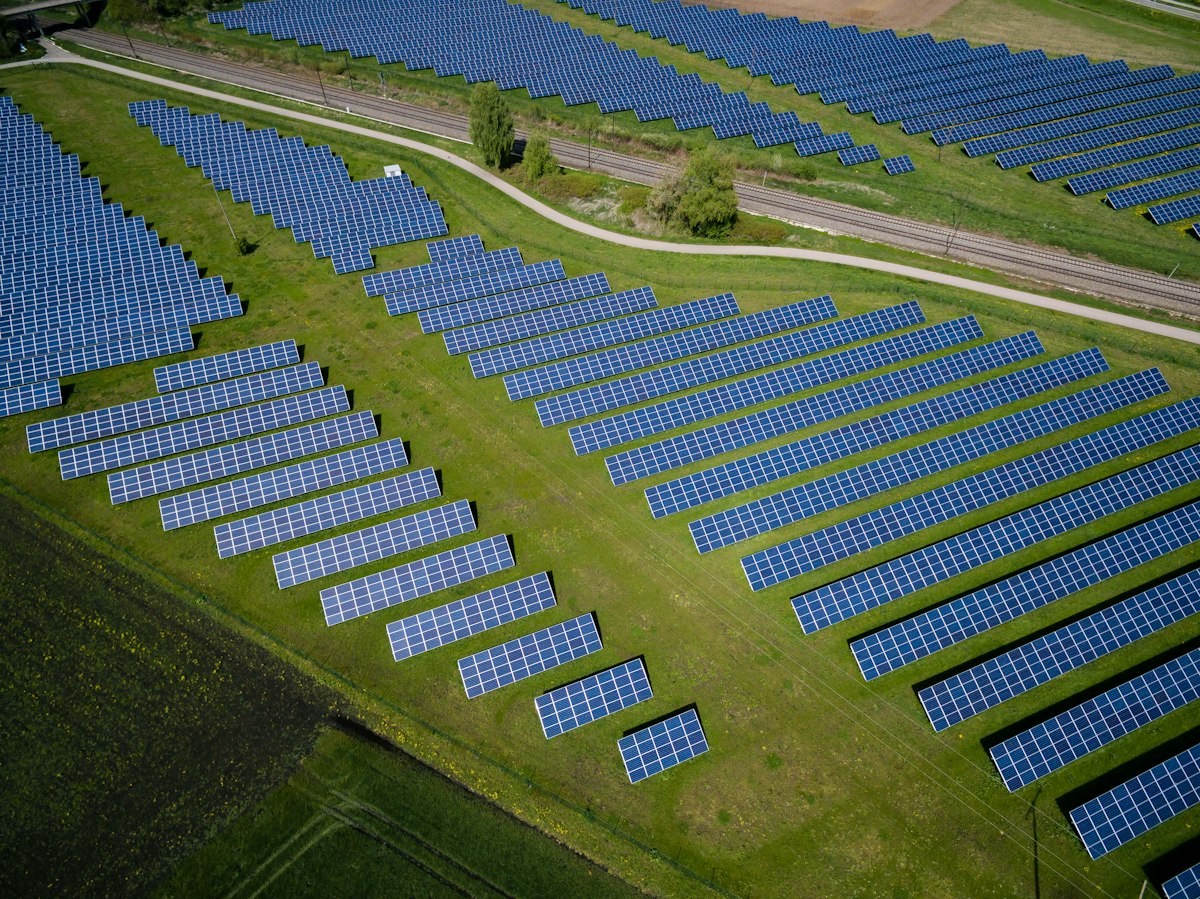

Climate action isn’t just environmental policy anymore - it’s a booming job sector in Kenya. From solar installation to climate data analysis to sustainable agriculture consulting, green jobs are among the fastest-growing career paths in 2026. Here’s what you need to know about breaking into this sector.
Why Green Jobs Are Growing in Kenya
Government commitment - Kenya’s updated climate action plan includes creating 200,000 green jobs by 2027. Counties are hiring environmental officers, climate coordinators, and sustainability managers.
Private sector demand - Companies need sustainability managers to meet international standards for exports and investments. ESG (Environmental, Social, Governance) reporting is now mandatory for NSE-listed companies.
Green financing - International climate funds are pouring money into Kenyan projects, creating jobs in project management, monitoring, and implementation.
Business opportunity - Renewable energy, waste management, and eco-tourism are profitable sectors, not just charitable causes.
Types of Green Jobs Available
Renewable Energy Sector
Kenya’s renewable energy sector leads East Africa and keeps expanding:
Solar technicians and installers - High demand as more homes and businesses install solar. Entry-level salary KES 30,000-50,000, experienced technicians earn KES 60,000-100,000+.
Wind energy technicians - Lake Turkana Wind Power and other projects need maintenance crews. Salaries KES 50,000-120,000.
Energy auditors - Assess buildings’ energy efficiency and recommend improvements. KES 60,000-150,000 depending on certifications.
Renewable energy sales - Sell solar systems, biogas digesters, efficient stoves. Earn commission-based income - successful salespeople make KES 80,000-200,000+.
Skills needed: Electrical knowledge, technical training (TVET courses available), problem-solving, customer service.
Sustainable Agriculture
Agricultural extension officers specializing in climate-smart farming techniques. Government and NGO positions KES 40,000-80,000.
Organic farming consultants help farmers transition to organic methods. Freelance consultants charge KES 5,000-20,000 per farm visit.
Permaculture designers create sustainable farm systems. Growing demand from eco-lodges and private farms. KES 50,000-150,000 per project.
Irrigation specialists design water-efficient systems. KES 60,000-120,000 monthly salary or project-based.
Skills needed: Agricultural background, knowledge of climate adaptation techniques, certification in organic or permaculture methods helps.
Waste Management and Circular Economy
Waste management consultants help companies and counties improve waste systems. KES 60,000-150,000.
Recycling facility managers oversee operations at recycling plants. KES 50,000-100,000.
Composting technicians manage organic waste conversion systems. KES 35,000-70,000.
Plastic alternatives specialists develop and market eco-friendly packaging. Variable income, entrepreneurial.
Skills needed: Waste management knowledge, business skills, logistics understanding, innovation.

Climate Data and Analysis
Climate analysts study weather patterns and climate impacts. Research institutions and government. KES 60,000-120,000.
GIS specialists map climate vulnerabilities and resources. High demand. KES 70,000-150,000.
Carbon footprint consultants measure and help reduce organizational emissions. KES 80,000-200,000.
Environmental impact assessment (EIA) experts evaluate project impacts. Licensed EIA experts charge KES 100,000-500,000 per assessment.
Skills needed: Data analysis, GIS software, environmental science background, NEMA certification for EIA.
Green Building and Construction
Green building consultants advise on sustainable construction. KES 70,000-180,000.
Energy-efficient building designers incorporate sustainability in architecture. KES 60,000-150,000.
Green building materials suppliers - entrepreneurial opportunity with good margins.
Skills needed: Architecture or engineering background, LEED or EDGE certification valuable, construction knowledge.
Conservation and Eco-Tourism
Wildlife conservationists work for KWS, conservancies, NGOs. KES 40,000-100,000.
Eco-tourism managers run sustainable lodges and camps. KES 50,000-120,000.
Environmental educators teach sustainability. Schools, NGOs, companies. KES 35,000-80,000.
Marine conservation officers protect coastal ecosystems. KES 40,000-90,000.
Skills needed: Environmental science or wildlife management degree, passion for conservation, community engagement skills.
Education and Training
Formal Education
Universities offering relevant programs:
- University of Nairobi - Environmental Science, Renewable Energy
- Kenyatta University - Environmental Studies
- Jomo Kenyatta University - Environmental Engineering
- Egerton University - Environmental Science
- Technical University of Kenya - Renewable Energy Engineering
Degrees take 4 years but open doors to mid-level positions immediately.
Technical Training
TVET colleges offer shorter, practical courses:
- Solar installation and maintenance (3-6 months)
- Waste management (3-6 months)
- Water resource management (6-12 months)
- Sustainable agriculture (3-6 months)
Costs: KES 20,000-80,000 typically. Faster route to employment than university.
Certifications
LEED Green Associate - International green building certification (online, ~$250)
EDGE Auditor - Emerging markets green building (training in Kenya periodically)
Permaculture Design Certificate - Available from various Kenya organizations (KES 60,000-150,000)
GIS Certificates - Online from Esri, Coursera, etc. (free to ~$500)
EIA Expert License - From NEMA (requires environmental background + experience)

Companies and Organizations Hiring
Energy Companies: Kenya Power, renewable energy startups (M-KOPA, SunCulture, d.light), international solar companies
Conservation: Kenya Wildlife Service, The Nature Conservancy, WWF Kenya, African Wildlife Foundation, local conservancies
NGOs: CARE Kenya, Oxfam, USAID projects, GIZ, various climate-focused NGOs
Government: Ministry of Environment, Climate Change and Forestry, County governments, NEMA, KFS
Private Sector: Major companies hiring sustainability managers (Safaricom, KCB, Equity, manufacturing companies)
Startups: Growing number of climate tech startups in Kenya - TakaNiAjira (waste management), Gjenge Makers (recycled plastic bricks), others
Breaking Into Green Jobs
1. Get basic qualification - TVET certificate or university degree in related field
2. Volunteer or intern - Many organizations take volunteers. Builds experience and network.
3. Join professional networks - Kenya Climate Innovation Center, Kenya Renewable Energy Association, Environmental Institute of Kenya
4. Follow the money - Watch for new climate projects being funded. These need staff.
5. Consider starting small - Solar installation business, waste collection service, eco-consultancy can start small
6. Stay updated - Climate policy changes create job opportunities. Follow NEMA, Ministry announcements
7. Combine with existing skills - Engineer? Add renewable energy. Accountant? Specialize in carbon accounting. Marketer? Focus on green products.
Realistic Salary Expectations
Entry-level (certificate/diploma): KES 25,000-45,000
Mid-level (degree + 2-5 years experience): KES 60,000-120,000
Senior (degree + 5+ years OR specialized certification): KES 120,000-250,000
Consultants (experienced, licensed): KES 100,000-500,000+ per month depending on projects
Entrepreneurs (solar business, waste recycling, etc.): Highly variable, KES 30,000-300,000+ depending on business success
The Reality Check
Not all green jobs pay immediately well. Entry-level conservation and NGO positions often pay less than equivalent private sector jobs. However:
- Job security is high (sector is growing)
- Meaningful work attracts many people
- Experience leads to better-paying positions
- Opportunities for international work and training
- Entrepreneurial opportunities in the sector
Future Outlook
Kenya’s green job sector will keep growing through 2026 and beyond because:
- Climate change isn’t going away - solutions are needed
- International funding committed long-term
- Kenya’s position as regional climate leader
- Youth bulge needs employment - government sees green jobs as answer
- Private sector sustainability requirements increasing
The question isn’t whether green jobs will exist in Kenya - it’s whether you’ll have the skills to qualify when opportunities arise. Start building those skills now, whether through formal education, technical training, or hands-on volunteering. The green economy is one of the few sectors in Kenya where demand genuinely exceeds supply of qualified workers in 2026.