

One of the biggest barriers for Kenyans starting online work is getting paid. Most international clients pay through PayPal, which doesn’t support direct withdrawals to Kenyan banks. That’s where payment bridges come in - services that help you receive and withdraw international payments. Let me explain how they work and which ones actually serve Kenyans well.
What Is a Payment Bridge?
A payment bridge is a service that:
- Receives payments from international platforms (like PayPal, Upwork, Fiverr)
- Converts foreign currency (USD, EUR) to Kenyan Shillings
- Sends money to your M-Pesa or local bank account
Think of it as a middleman that makes international payments possible for Kenyans.
Why You Need One
Direct PayPal to M-Pesa doesn’t work - PayPal Kenya is receive-only. You can’t withdraw to a bank or M-Pesa directly.
International clients expect these payment methods - Most won’t send money through Western Union or bank transfers.
Freelancing platforms require them - Upwork, Fiverr, and others need you to connect a payout method.
Without a payment bridge, you can’t participate in the global digital economy. It’s that simple.
Payoneer - Most Popular in Kenya
Payoneer is the most widely used payment bridge for Kenyan freelancers.
How it works:
- Sign up for free on Payoneer.com
- Receive a virtual USD bank account (US Payment Service)
- Clients send money to this account (they think it’s a regular US bank)
- You withdraw to your Kenyan bank account or M-Pesa
Withdrawal fees:
- M-Pesa: 3.5% of withdrawal amount (minimum $5, maximum $100)
- Bank account: $1.50 flat fee per withdrawal
Minimum withdrawal: $20 to M-Pesa, $50 to local banks
Processing time: 2-6 hours to M-Pesa, 1-3 business days to banks
What makes it great:
- Works seamlessly with major freelancing sites (Upwork, Fiverr, Freelancer)
- Reliable withdrawals to M-Pesa
- No monthly fees
- Professional customer support
- Can receive payments from multiple sources
Limitations:
- 3.5% fee to M-Pesa adds up quickly
- Sometimes accounts get flagged for review (frustrating delays)
- Need documents for verification (ID, proof of address)
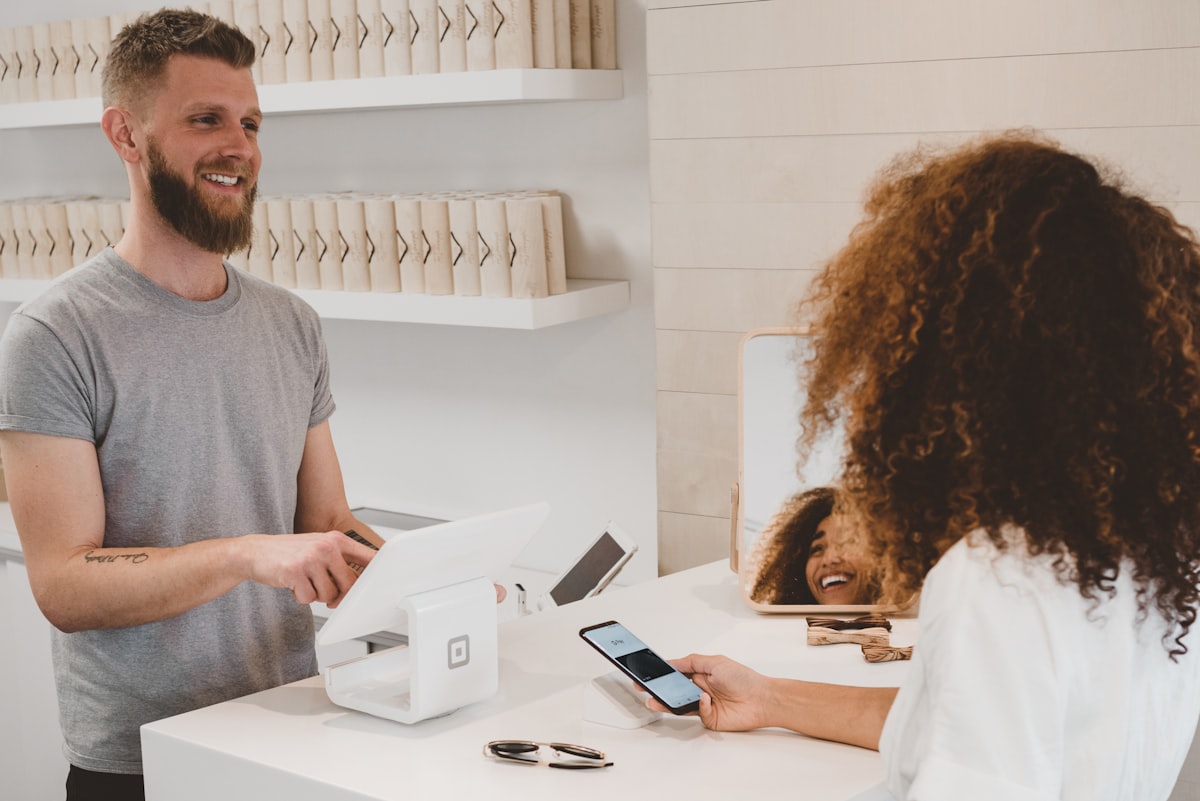
PayPal Kenya - Complicated but Sometimes Necessary
PayPal in Kenya is frustrating but still important.
How it works in Kenya:
- You can receive payments
- You can send payments
- You cannot withdraw to a Kenyan bank or M-Pesa directly
- You need a third-party service to withdraw
Withdrawal options for Kenyans:
- Skrill - Transfer from PayPal to Skrill, then withdraw to M-Pesa (high fees, complicated)
- PayPal to Payoneer - Not officially supported but some people use workarounds
- PayPal Debit Card - Not available in Kenya
- Request payment in different method - Often the simplest solution
When you need PayPal despite the hassle:
- Client insists on paying through PayPal only
- You’re selling on eBay
- Certain freelance platforms only support PayPal
- One-time payments where setting up another service isn’t worth it
Fees:
- Receiving payments: 3.7% + $0.30 per transaction for international payments
- Currency conversion: Around 3-4% above standard exchange rate
- No withdrawal fee to PayPal, but withdrawal services charge their own fees
Skrill - Alternative Option
Skrill (formerly Moneybookers) is an alternative that works in Kenya.
How it works:
- Create account on Skrill.com
- Receive payments from clients or platforms
- Withdraw to M-Pesa or local bank
Withdrawal fees:
- M-Pesa: Approximately 2.5% + fixed fee (around $3-5)
- Bank transfer: Usually $5-10 per withdrawal
Processing time: Similar to Payoneer - hours to M-Pesa, days to banks
What makes it useful:
- Lower fees than PayPal for some transactions
- Can receive from PayPal (though complicated)
- Accepted on some platforms where Payoneer isn’t available
- Supports cryptocurrency transactions
Limitations:
- Less common than Payoneer among Kenyan freelancers
- Fewer platforms integrate with it
- Customer support can be slow
- Verification process sometimes strict
Wise (Formerly TransferWise) - For Bank Transfers
Wise is growing in Kenya, though primarily for bank transfers.
How it works:
- Get a multi-currency account
- Receive payments in USD, GBP, EUR, etc.
- Convert and send to your Kenyan bank account
Fees:
- Small fixed fee + percentage (usually under 1%)
- Much cheaper than Payoneer or PayPal for currency conversion
- Real exchange rates, not marked-up rates
What makes it great:
- Lowest fees for currency conversion
- Transparent pricing
- Fast transfers (usually 1-2 days)
- Good for receiving bank transfers from clients
Limitations:
- Doesn’t work with all freelancing platforms
- No direct M-Pesa withdrawal
- Requires Kenyan bank account
- Minimum amounts for some transactions
Which One Should You Choose?
For Upwork, Fiverr, Freelancer: Use Payoneer - It’s the standard and works smoothly.
For direct clients paying by PayPal: Either accept the complication or ask them to use Payoneer or Wise instead.
For eBay sellers: You’ll need PayPal despite the withdrawal headaches.
For lowest fees on large transfers: Use Wise if your client can send bank transfers.
For receiving from multiple sources: Set up both Payoneer and Wise - gives you flexibility.
Most Kenyan freelancers end up with at least Payoneer, sometimes PayPal as backup.
Real Cost Comparison Example
Let’s say you earned $500 from freelancing:
Payoneer to M-Pesa:
- Withdrawal fee: 3.5% = $17.50
- Exchange rate markup: ~2% = $10
- You receive approximately: $472.50 (Ksh 61,425 at 130/dollar rate)
PayPal (if you could withdraw directly, which you can’t):
- Receiving fee: 3.7% + $0.30 = $18.80
- Currency conversion: ~3% = $15
- Hypothetical withdrawal fee: $5
- You would receive: ~$461 (Ksh 59,930)
Wise to bank account:
- Conversion fee: ~0.7% = $3.50
- Fixed fee: $5
- You receive approximately: $491.50 (Ksh 63,895)
As you can see, fees vary significantly. For larger amounts, Wise saves money. For convenience with freelancing platforms, Payoneer is worth the fee.
Setting Up Your First Payment Bridge
Step 1: Choose Payoneer first - It’s the most practical for beginners.
Step 2: Prepare documents
- Valid Kenyan ID (front and back photos)
- Proof of address (utility bill, bank statement - less than 3 months old)
- Email address
- Phone number
Step 3: Register
- Go to Payoneer.com
- Complete application (15-20 minutes)
- Upload documents
- Wait for verification (usually 1-3 days)
Step 4: Link to M-Pesa or bank
- Add your M-Pesa number or bank account details
- Test with small withdrawal first
Step 5: Connect to freelancing platforms
- Link Payoneer to Upwork, Fiverr, etc.
- Set as default payout method
Common Problems and Solutions
Problem: Account verification stuck for weeks Solution: Contact customer support with reference number. Be persistent but polite.
Problem: Withdrawal delayed or failed Solution: Check M-Pesa limits (daily receiving limits). Break large amounts into smaller withdrawals.
Problem: Client says PayPal only Solution: Explain fees and ask if they can use Payoneer. Most reasonable clients accommodate.
Problem: High fees eating into earnings Solution: Withdraw larger amounts less frequently. Negotiate higher rates with clients to cover fees.
Data-Saving Tips
Use apps, not browser - Payoneer and Skrill apps use less data.
Check balance weekly, not daily - Constant logging in wastes data.
Set up email notifications - Get alerts for payments without logging in.
Download statements on WiFi - Transaction histories are large files.
Protecting Your Account
Use strong passwords - Mix of letters, numbers, symbols.
Enable two-factor authentication - Extra security layer.
Never share login details - Even with “helpful” friends or “account managers” offering help.
Beware of phishing emails - Payoneer/PayPal will never ask for passwords via email.
Keep documents updated - Expired ID or address proof can freeze your account.
Tax Considerations (Brief Note)
If you’re earning consistently through these platforms:
- KRA may ask about foreign income
- Keep records of all transactions
- Consider consulting a tax advisor once earnings are substantial
- Many Kenyan freelancers operate informally, but awareness of rules protects you
This isn’t tax advice - just a reminder that online income is still income.
Your First Withdrawal
When you make your first withdrawal:
- Start with the minimum amount to test the system
- Screenshot every step (helpful if issues arise)
- Note the exchange rate you’re getting
- Track how long it takes
- Keep confirmation messages
Once you’ve successfully received your first payment in M-Pesa or your bank account, the entire online work ecosystem suddenly feels real and accessible.
Final Reality Check
Payment bridges charge fees. That’s the cost of accessing international work opportunities. Instead of complaining about fees, focus on:
- Earning enough that fees become percentages, not roadblocks
- Choosing the most efficient bridge for your situation
- Negotiating rates that account for fees
- Withdrawing strategically to minimize costs
Every successful Kenyan freelancer pays these fees. They’re the price of admission to global opportunities that weren’t available to previous generations. Worth it.