
Introduction
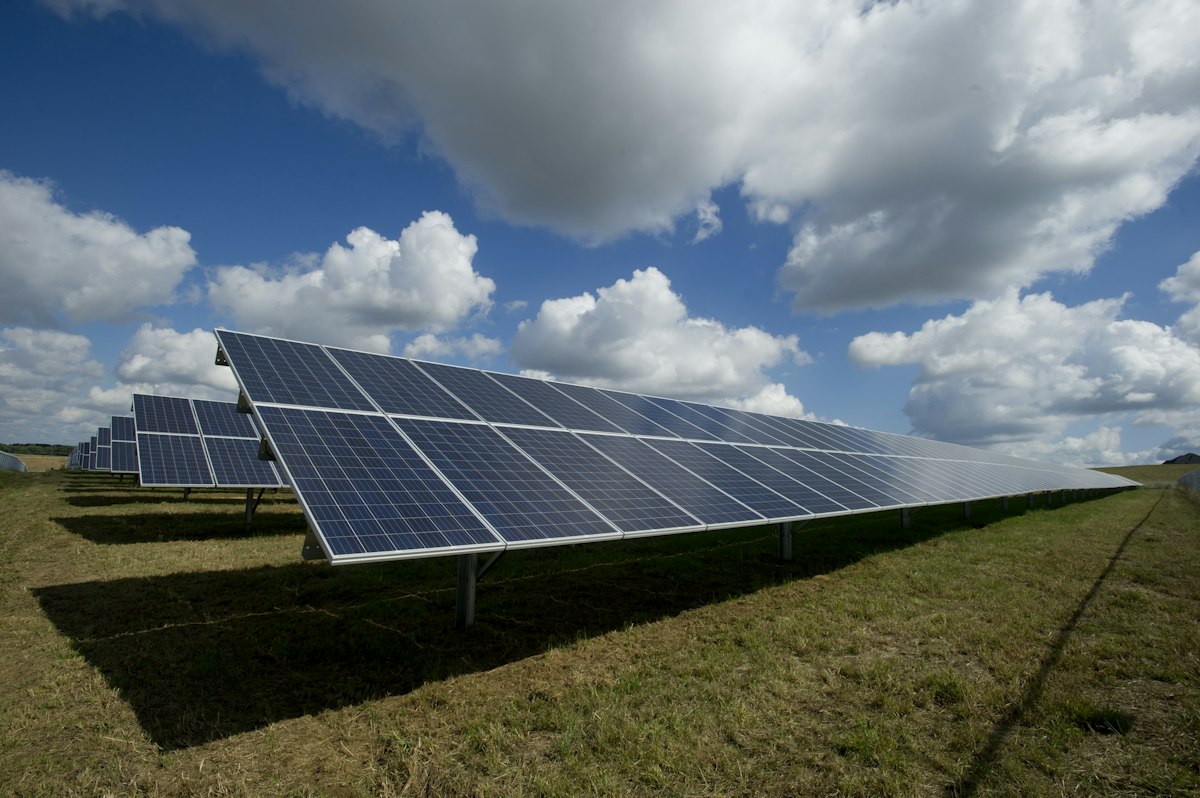
Electricity bills keep rising in Kenya, and power outages remain common in many areas. Meanwhile, renewable energy technology is becoming more affordable and accessible. Solar panels and biogas systems offer Kenyan households ways to reduce electricity costs, gain energy independence, and contribute to environmental conservation.
This guide explains renewable energy options available for homes in Kenya, focusing on solar and biogas. You’ll learn about costs, installation, maintenance, government incentives, and whether these systems make sense for your situation.
Why Renewable Energy?
Benefits for Your Home
Save Money:
- Lower electricity bills
- Protect against price increases
- Long-term investment pays off
- Some systems pay for themselves in 3-7 years
Reliability:
- Power during outages
- Not dependent on Kenya Power grid
- Consistent supply
- Peace of mind
Environmental:
- Clean energy
- Reduce carbon footprint
- Combat climate change
- Sustainable living
Increase Property Value:
- Homes with solar installations worth more
- Attractive to buyers and renters
- Modern and forward-thinking
Kenya’s Energy Situation
Challenges:
- Electricity expensive (about KES 25-35 per kWh)
- Frequent outages in some areas
- Not all areas connected to grid
- Cost of connection high for new areas
Opportunities:
- Abundant sunshine (most of country)
- Agricultural waste for biogas
- Government supporting renewables
- Technology becoming cheaper
Solar Energy for Homes
How Solar Works
Basics:
- Solar panels capture sunlight
- Convert to electricity
- Use immediately or store in batteries
- Powers your home appliances
Types of Systems:
-
Grid-Tied (Connected to Kenya Power)
- Use solar during day
- Grid at night or when needed
- May sell excess back (net metering)
- Cheaper (no batteries)
-
Off-Grid (Standalone)
- Completely independent
- Batteries for night use
- Backup generator optional
- More expensive but total independence
-
Hybrid
- Solar with batteries AND grid connection
- Best of both worlds
- Batteries for backup during outages
- Most flexible
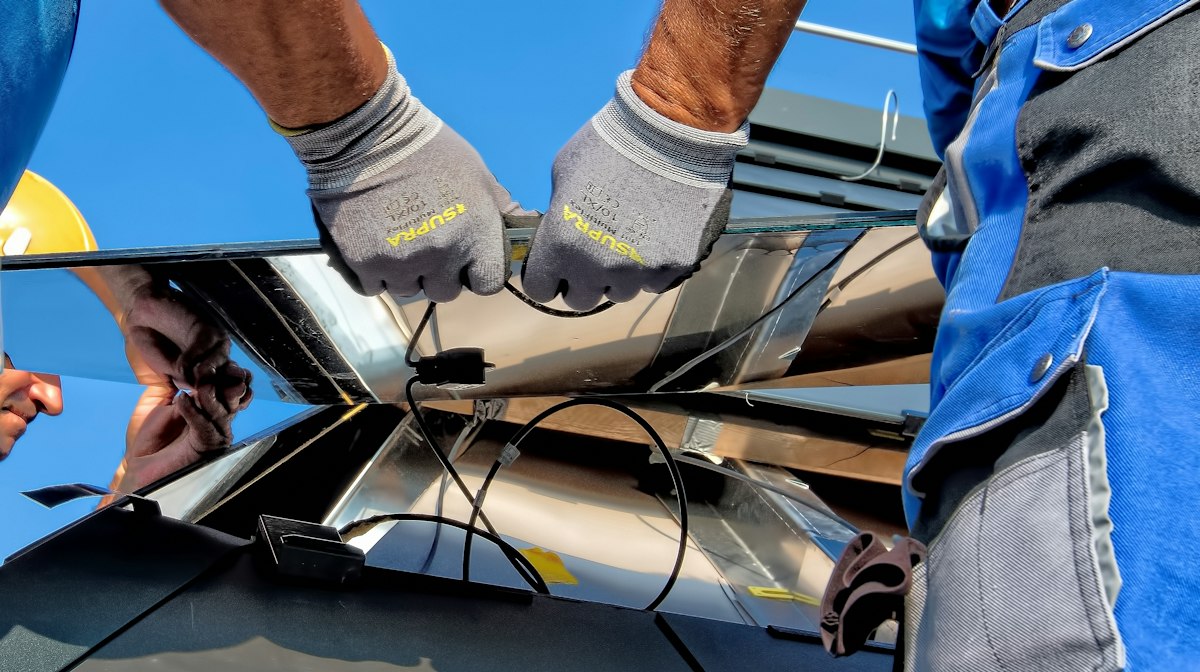
Solar System Components
Solar Panels:
- Most visible part
- Mounted on roof or ground
- Convert sunlight to electricity
- Lifespan: 25+ years
Inverter:
- Converts DC (from panels) to AC (for home use)
- Heart of the system
- Lifespan: 10-15 years
Batteries (for off-grid and hybrid):
- Store electricity for later use
- Most expensive component
- Lifespan: 5-10 years (lithium), 3-5 years (lead-acid)
Charge Controller:
- Regulates battery charging
- Prevents overcharging
- Essential for off-grid systems
Mounting Hardware:
- Frames and brackets
- Secures panels to roof/ground
- Must withstand wind and weather
Cables and Protection:
- Wiring throughout
- Circuit breakers and fuses
- Safety measures
System Sizing
How Much Power Do You Need?
Calculate Your Usage:
-
List All Appliances:
- Lights
- TV
- Fridge
- Phone chargers
- Computer
- Washing machine
- Iron
- Water pump
- Etc.
-
Check Wattage:
- Usually on appliance label
- Or estimate:
- LED bulb: 10W
- TV: 50-100W
- Fridge: 100-200W
- Iron: 1000W
- Electric cooker: 2000W+
- Calculate Daily Consumption:
- Multiply watts by hours used per day
- Add up all appliances
- Result in Watt-hours (Wh) or Kilowatt-hours (kWh)
Example:
- 5 LED bulbs (10W each) × 5 hours = 250Wh
- TV (100W) × 4 hours = 400Wh
- Fridge (150W) × 24 hours = 3,600Wh
- Phone chargers (20W) × 3 hours = 60Wh
- Total = 4,310Wh = 4.3kWh per day
System Size Needed:
- For 4.3kWh daily, need about 1.5-2kW solar system
- Panels produce more during day to cover night usage
- Account for inefficiencies and cloudy days
Common System Sizes:
- Small (300-1000W): Basic lighting, TV, phone charging - KES 50,000-150,000
- Medium (1-3kW): Above plus fridge, computer, small pump - KES 150,000-400,000
- Large (3-5kW): Most home appliances except heavy heating/cooking - KES 400,000-800,000
- Very Large (5kW+): Entire home including some cooking - KES 800,000+
Costs Breakdown
Grid-Tied System (3kW example):
- Solar panels (6-8 panels): KES 180,000-240,000
- Inverter: KES 80,000-120,000
- Installation: KES 30,000-50,000
- Mounting hardware: KES 20,000-30,000
- Cabling and accessories: KES 15,000-25,000
- Total: KES 325,000-465,000
Off-Grid System (3kW example):
- Solar panels: KES 180,000-240,000
- Inverter/charger: KES 100,000-150,000
- Batteries (8-12 units lead-acid or fewer lithium): KES 200,000-400,000
- Charge controller: KES 30,000-50,000
- Installation: KES 40,000-60,000
- Mounting and accessories: KES 50,000-80,000
- Total: KES 600,000-980,000
Hybrid System (3kW example):
- Between grid-tied and off-grid
- Total: KES 500,000-750,000
Factors Affecting Cost:
- Quality of components (Chinese vs European)
- Battery type (lead-acid cheaper, lithium better but expensive)
- Roof type (installation complexity)
- Location (transport and labor)
- Company margins
Savings and Payback
Monthly Savings:
If currently paying KES 5,000/month for electricity:
- 3kW system can reduce bill to KES 1,000-2,000
- Savings: KES 3,000-4,000 per month
- Annual savings: KES 36,000-48,000
Payback Period:
- KES 400,000 system ÷ KES 40,000 annual savings = 10 years
- But: electricity prices keep rising
- Realistic payback: 7-10 years for grid-tied, longer for off-grid
- After payback, essentially free electricity (minimal maintenance)
Battery Replacement:
- Lead-acid batteries need replacement every 3-5 years (KES 200,000-300,000)
- Lithium batteries last longer (7-10 years) but cost more upfront
- Factor into long-term calculations
Choosing a Solar Company
Major Suppliers in Kenya:
Reliable Companies:
- Davis & Shirtliff: Established, good reputation, higher prices
- Chloride Exide: Battery specialists, also do solar
- SolarNow: Financing options available
- M-KOPA: Pay-as-you-go small systems
- Azuri: Pay-as-you-go
- PowerGen: Off-grid solutions
- Strauss Energy: Residential and commercial
What to Look For:
- Years in business
- Customer reviews
- Warranty offered (panels 25 years, inverter 10-15 years, batteries vary)
- After-sales service
- Certified installers
- Physical office/showroom
Questions to Ask:
- What components do you use? (Brands and models)
- What warranty do you provide?
- Do you handle installation and after-sales service?
- What is the expected lifespan and maintenance needs?
- Can I see similar installations?
- What happens if something breaks?
- Do you provide monitoring?
- Total cost breakdown?
Red Flags:
- Too cheap (quality concerns)
- No physical presence
- Can’t explain technical details
- Pressure to pay in full immediately
- No warranty
- No customer references
Installation Process
Steps:
-
Site Assessment:
- Company visits your home
- Checks roof orientation and strength
- Assesses shading
- Reviews your electricity needs
- Provides quotation
-
Design:
- System designed for your needs
- Components selected
- Layout planned
-
Agreement and Payment:
- Sign contract
- Understand warranty and terms
- Payment plan (usually deposit, then balance)
-
Installation:
- Takes 1-3 days for typical home
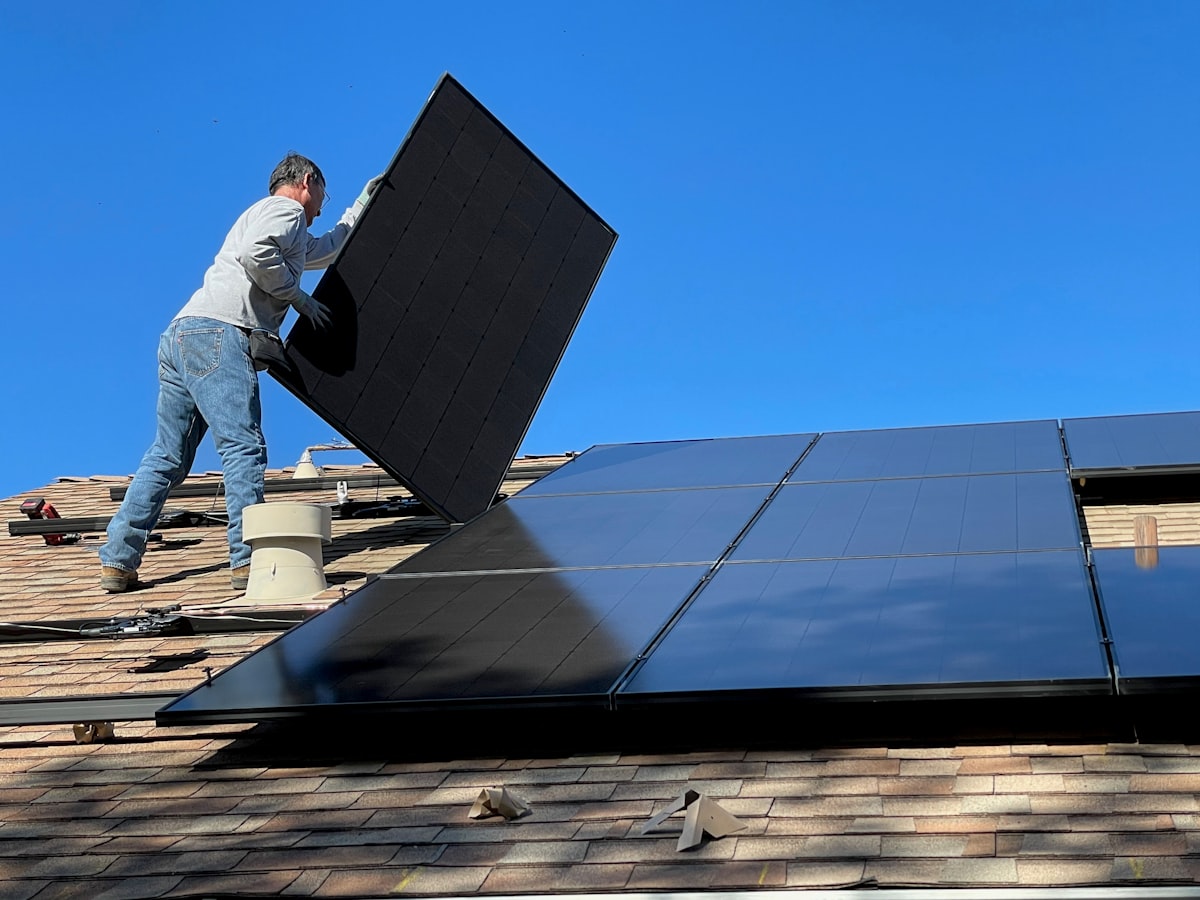
- Panels mounted
- Inverter and batteries installed
- Wiring connected
- Testing
-
Inspection (if required):
- Some counties require permits
- Kenya Power inspection for grid-tied
- Energy and Petroleum Regulatory Authority (EPRA) involved for larger systems
-
Training and Handover:
- Company trains you on system use
- Explains maintenance
- Provides documentation
Permits and Regulations:
- County government building permit (sometimes)
- Grid-tied systems need Kenya Power approval
- EPRA regulations for larger systems
- Your installer should handle most paperwork
Maintenance
Regular Tasks:
Cleaning Panels:
- Dust and dirt reduce efficiency
- Clean every 1-3 months (more if dusty area)
- Use water and soft cloth
- Early morning or evening (panels cool)
- Or hire cleaning service (KES 1,000-3,000)
Checking System:
- Monitor inverter display for errors
- Check battery levels (if accessible)
- Look for loose connections
- Ensure no shading from growing trees
Battery Care:
- Keep terminals clean
- Check water levels (flooded lead-acid batteries)
- Ensure proper ventilation
- Monitor charging and discharging
Professional Service:
- Annual inspection recommended
- Cost: KES 5,000-15,000
- Company checks all components
- Identifies potential issues
Common Problems:
- Panel damage (rare, usually from severe weather)
- Inverter failure (after years of use)
- Battery issues (most common)
- Wiring problems
- Shading from new construction or trees
Biogas Systems
What is Biogas?
Basics:
- Produced from organic waste (animal dung, food waste, crop residue)
- Decomposition in closed chamber (digester)
- Releases methane gas
- Can be used for cooking and lighting
- Replaces firewood, charcoal, or LPG
Who It’s For:
- Households with livestock (cows, pigs, chickens)
- Larger families producing food waste
- Rural and peri-urban areas
- Those who cook with wood/charcoal/gas
Benefits of Biogas
Economic:
- Free cooking gas from waste
- Save money on LPG, charcoal, or firewood
- Fertilizer byproduct (slurry) for farming
Health:
- No smoke (unlike firewood/charcoal)
- Cleaner indoor air
- Reduced respiratory problems
Environmental:
- Waste management solution
- Reduces deforestation
- Lower greenhouse gases
- Sustainable energy
Convenience:
- On-demand gas at home
- No buying and carrying LPG cylinders
- No cutting or buying firewood
How Biogas Systems Work
Components:
-
Inlet Chamber:
- Where you add waste and water mixture
- Daily feeding
-
Digester:
- Underground or above-ground tank
- Anaerobic (no oxygen) decomposition
- Produces biogas (methane and CO2)
-
Gas Storage (Dome):
- Collects gas
- Under pressure
- Releases to pipe
-
Outlet:
- Spent slurry comes out
- Used as fertilizer
-
Gas Pipe and Appliances:
- Pipe to kitchen
- Special biogas stove or lamp
- Similar to LPG appliances
Types of Digesters:
Fixed Dome (most common in Kenya):
- Underground brick/concrete chamber
- Gas stored in dome
- Durable and long-lasting
- Size: 4-12 cubic meters typical for homes
Floating Drum:
- Gas stored in movable drum
- Visible gas level
- More expensive
- More maintenance
Bag/Tube Digesters:
- Plastic tube
- Cheapest option
- Lifespan shorter
- Works in warm climates
System Sizing
Based on Animal Waste Available:
Cows:
- 1 cow produces about 10kg dung per day
- Enough for 0.3-0.4 cubic meters biogas
- Can cook 1-2 meals for family
Guideline:
- 2-3 cows: 6-8 cubic meter digester
- 4-6 cows: 10-12 cubic meter digester
- Can supplement with pig, chicken dung, and food waste
For Cooking Needs:
- Small family (4 people): 2-3 hours cooking daily = 0.6-0.9 cubic meters gas
- Medium family (6-8 people): 4-5 hours = 1.2-1.5 cubic meters gas
Costs
Small System (4-6 cubic meters):
- Digester construction: KES 60,000-100,000
- Gas pipe and fittings: KES 10,000-20,000
- Biogas stove: KES 8,000-15,000
- Installation labor: KES 20,000-40,000
- Total: KES 98,000-175,000
Medium System (8-10 cubic meters):
- Digester: KES 120,000-180,000
- Gas pipe and fittings: KES 15,000-25,000
- Appliances: KES 15,000-25,000
- Labor: KES 30,000-50,000
- Total: KES 180,000-280,000
Factors Affecting Cost:
- Size of digester
- Soil type (rocky soil more expensive to dig)
- Materials (brick vs concrete)
- Location (transport costs)
- Professional vs community builder
Savings and Payback
Monthly Savings:
If family uses:
- 3 bags charcoal per month (KES 5,000), OR
- 2 LPG cylinders per month (KES 6,000), OR
- Buys firewood (KES 3,000)
Annual Savings: KES 36,000-72,000
Payback Period:
- KES 150,000 system ÷ KES 50,000 annual savings = 3 years
- Plus fertilizer value
- After payback, essentially free cooking fuel
Installation
Process:
-
Site Selection:
- Near kitchen (pipe distance)
- Near cattle shed (less work carrying dung)
- Below kitchen (gravity flow) or above (if pumped)
- Adequate space
-
Construction:
- Takes 2-4 weeks
- Excavation
- Building digester
- Curing (concrete needs time)
- Plumbing
- Testing
-
Charging:
- Fill with manure and water mixture (1:1 ratio)
- Takes 4-8 weeks to start producing (first time)
- Daily feeding after that
-
Training:
- How to feed daily
- How to use stove
- Troubleshooting
- Safety
Who Installs:
- Biogas International Kenya: Major provider, training, financing
- KIST Biogas: Building, training
- Simgas: Systems and training
- Local trained masons (cheaper but verify training)
- Some county agriculture officers can advise
Subsidies and Financing:
- Africa Biogas Partnership Programme (ended but some organizations continue)
- Some microfinance institutions offer loans
- Kenya Climate Innovation Center supported some projects
- Check with Biogas International for current programs
Daily Operation
Feeding the Digester:
- Mix fresh dung with equal amount water
- Add daily (about 20-30kg mix for small system)
- Through inlet chamber
- Takes 10-15 minutes
Using the Gas:
- Open valve
- Light stove (like LPG)
- Adjust flame
- Turn off when done
Managing Slurry:
- Outlet produces liquid fertilizer
- Collect and store
- Use on crops (very good fertilizer)
- Or dry for organic manure
Maintenance
Regular:
- Daily feeding (essential)
- Check for leaks
- Remove scum from inlet periodically
Periodic:
- Clean gas pipes if clogged
- Check stove and connections
- Inspect digester exterior
- Empty completely every few years (professional)
Common Problems:
- Low gas production (underfeeding, cold weather, wrong mix)
- Leaks (fix immediately)
- Clogs in pipe (clean)
- Digester cracks (serious, need professional repair)
Lifespan:
- Fixed dome digester: 20-30 years
- Gas pipes and appliances: Replace as needed
- Overall minimal maintenance
Challenges and Solutions
Not Enough Feedstock:
- If too few animals
- Solution: Add food waste, mix with neighbors
Cold Weather:
- Gas production slows
- Solution: Insulate digester, use starter culture
Initial Period:
- Takes weeks to start producing
- Solution: Patience, continue feeding, check with installer
Smell:
- If system leaking
- Solution: Find and fix leaks, ensure proper sealing
Government Incentives and Support
VAT Exemption
Solar Equipment:
- Solar panels, inverters, batteries, and accessories exempt from VAT
- Saves 16% on cost
- Applies to components, not always to installation services
How to Benefit:
- Buy from registered suppliers
- Check invoice shows VAT exemption
- If charged, question it
Rural Electrification and Renewable Energy Corporation (REREC)
Supports:
- Off-grid solar projects
- Rural electrification
- Community-based renewable energy
Not Direct Consumer Subsidies, but:
- Supports energy access in rural areas
- Partners with private sector
- Information and awareness
Website: www.rerec.co.ke
County Government Support
Some Counties Offer:
- Subsidized solar systems (varies by county)
- Biogas construction support
- Training and awareness
Check With:
- County energy/environment office
- Ask about current programs
Financing Options
Solar Loans:
- Some banks offer green loans
- Lower interest rates for renewable energy
- Examples: KCB, Equity Bank
Pay-As-You-Go (PAYGO):
- Companies like M-KOPA, Azuri
- Small daily/weekly payments
- Ownership after full payment
- Good for smaller systems
Microfinance:
- Women and group lending
- Shorter-term loans
- Community-based
International and NGO Support
Programs Change, but historically:
- World Bank programs
- GIZ (German development)
- USAID
- Various NGOs in specific regions
How to Access:
- Follow announcements from energy organizations
- Community groups more likely to benefit
- Sometimes through county governments
Choosing What’s Right for You
When Solar Makes Sense
Good Fit If:
- High current electricity bills (KES 3,000+/month)
- Frequent power outages
- Stable income to invest upfront (or access to financing)
- Suitable roof (iron sheets, tiles, sturdy)
- Not heavily shaded area
- Plan to stay in home long-term (or landlord investing)
Less Suitable If:
- Very low electricity use (already small bills)
- Renting and landlord won’t install
- Very shaded property
- Can’t afford upfront cost and no financing
- May move soon
When Biogas Makes Sense
Good Fit If:
- Own livestock (2+ cows or equivalent)
- Use lots of LPG, charcoal, or firewood
- Interested in organic farming (value fertilizer)
- Have space for digester
- Rural or peri-urban
- Committed to daily feeding routine
Less Suitable If:
- No livestock and little organic waste
- Urban apartment
- No space
- Not willing to manage daily feeding
- Very small cooking needs
Combining Solar and Biogas
Comprehensive Home Energy:
- Biogas for cooking
- Solar for electricity
- Complete energy independence
- Maximum savings
- Higher upfront cost but total self-sufficiency
Safety Considerations
Solar Safety
During Installation:
- Work on roof dangerous
- Hire professionals
- Ensure proper mounting (wind)
Electrical Safety:
- Proper wiring essential
- Circuit breakers and fuses
- Regular checks for damage
- Don’t overload system
Battery Safety:
- Lead-acid batteries release hydrogen (explosive)
- Need ventilation
- Keep away from flames
- Wear protection when handling
- Lithium batteries safer
Biogas Safety
Methane is Flammable:
- Keep away from open flames
- No smoking near digester or pipes
- Check for leaks regularly
- Good ventilation in kitchen
Gas Leaks:
- Smell like rotten eggs (actually hydrogen sulfide in biogas)
- If leak suspected: ventilate, no flames, fix immediately
Proper Installation:
- Use quality materials
- Professional plumber for gas pipes
- Regular inspections
Slurry Handling:
- Not directly dangerous
- Use gloves
- Wash hands after
Conclusion
Renewable energy is no longer just for the wealthy or environmentalists in Kenya. Solar and biogas systems are practical, cost-effective solutions for many Kenyan households. With the right system size, quality components, and proper maintenance, these technologies can significantly reduce energy costs, provide reliable power, and contribute to environmental conservation.
Solar systems work best for those with high electricity bills and good sun exposure. Initial costs are substantial (KES 100,000-500,000+ depending on size), but payback periods of 7-10 years mean long-term savings. Grid-tied systems are cheapest and simplest, while off-grid provides total independence.
Biogas suits households with livestock and those spending heavily on cooking fuel. With lower initial costs (KES 100,000-250,000) and quick payback (3-5 years), plus the bonus of organic fertilizer, biogas makes economic and environmental sense for rural and peri-urban families.
Government VAT exemptions on solar equipment, county support programs, and financing options make renewable energy more accessible than ever. As climate change makes traditional energy sources more expensive and Kenya pushes for clean energy, investing in solar or biogas today sets you up for energy security and savings for decades to come.
Start by assessing your energy needs, getting quotes from reputable companies, and exploring financing options. The future of energy in Kenya is renewable - and that future can start at your home.