
Introduction
Kenya produces millions of tons of waste every year, and most of it ends up in dumpites or the environment. Poor waste management causes pollution, health problems, blocked drainage leading to floods, and environmental degradation. However, with proper waste management and recycling, we can reduce these problems, create jobs, and protect our environment.
This guide explains how waste management works in Kenya, how to manage household waste responsibly, where and how to recycle, and what the government and private sector are doing about waste.
Kenya’s Waste Problem
The Scale
National Waste Generation:
- Kenya produces about 22,000 tons of waste daily
- Nairobi alone: 2,400+ tons per day
- Growing rapidly with population and urbanization
- Only 40-50% collected officially
- Rest dumped illegally or burned
Composition:
- Organic waste (kitchen scraps, yard waste): 50-60%
- Plastics: 13-15%
- Paper and cardboard: 10-12%
- Glass: 4-5%
- Metals: 3-4%
- Other: 10-15%
Challenges
Collection:
- Informal settlements often not serviced
- Rural areas have limited collection
- Irregular collection schedules
- Illegal dumping common
Disposal:
- Most waste to open dumpites (not proper landfills)
- Dandora dumpsite in Nairobi (receiving waste for 30+ years, major health hazard)
- Few proper sanitary landfills
- Burning waste common (air pollution)
Recycling:
- Limited recycling infrastructure
- Informal sector does most recycling (not recognized or supported adequately)
- No widespread separation at source
Plastic Waste:
- Single-use plastic bags banned since 2017, but enforcement challenges
- Plastic bottles and packaging still major problem
- Often clogs drainage, pollutes waterways
Understanding Waste Types
Organic Waste (Biodegradable)
What It Is:
- Food scraps
- Vegetable and fruit peels
- Yard waste (grass, leaves)
- Paper (breaks down)
Best Management:
- Composting (turn into fertilizer)
- Biogas production
- Animal feed (some items)
Recyclables
Plastics:
- Bottles (PET)
- Containers
- Packaging
- Different types (check numbers 1-7)
Paper and Cardboard:
- Newspapers
- Magazines
- Cardboard boxes
- Office paper
Glass:
- Bottles
- Jars
Metals:
- Aluminum cans
- Steel cans
- Scrap metal
Best Management:
- Separate and take to recycling centers
- Sell to collectors
- Some curbside collection available
Hazardous Waste
What It Is:
- Batteries
- Electronics (e-waste)
- Chemicals (cleaning products, pesticides)
- Medical waste
- Paint
- Light bulbs
Danger:
- Toxic to health and environment
- Should NEVER go to regular waste
Best Management:
- Special collection points
- Return to sellers (batteries, electronics)
- County hazardous waste days
General/Residual Waste
What’s Left:
- Items that can’t be recycled or composted
- Dirty packaging
- Mixed materials
- Some plastics
Management:
- Proper disposal through county collection
- Should go to sanitary landfill (not dumpsite)
Household Waste Management
Reduce First (Most Important)
Before Recycling, Reduce:
Buy Less Packaging:
- Loose fruits and vegetables (not pre-packed)
- Bulk items
- Products with minimal packaging
- Reusable bags
Avoid Single-Use Items:
- Plastic bottles (use reusable water bottle)
- Disposable plates, cups, cutlery
- Plastic straws
- Takeaway packaging (carry your containers)
Buy Quality (Lasts Longer):
- Durable products over cheap disposables
- Repair instead of replace
Plan Meals (Reduce Food Waste):
- Buy what you need
- Store food properly
- Use leftovers
- Compost unavoidable food scraps
Reuse Second
Before Throwing Away, Reuse:
Containers:
- Glass jars for storage
- Plastic containers for various uses
- Boxes for organization
Clothes and Textiles:
- Donate wearable items
- Rags for cleaning
- Craft projects
Paper:
- Use both sides
- Scrap paper for notes
- Newspaper for packaging
Creative Reuse:
- Plastic bottles as planters
- Old tires for playground equipment or planters
- Tin cans as organizers
Separate Waste
Why Separate:
- Makes recycling possible
- Organic waste can be composted
- Keeps different types clean
- Increases value (recyclables)
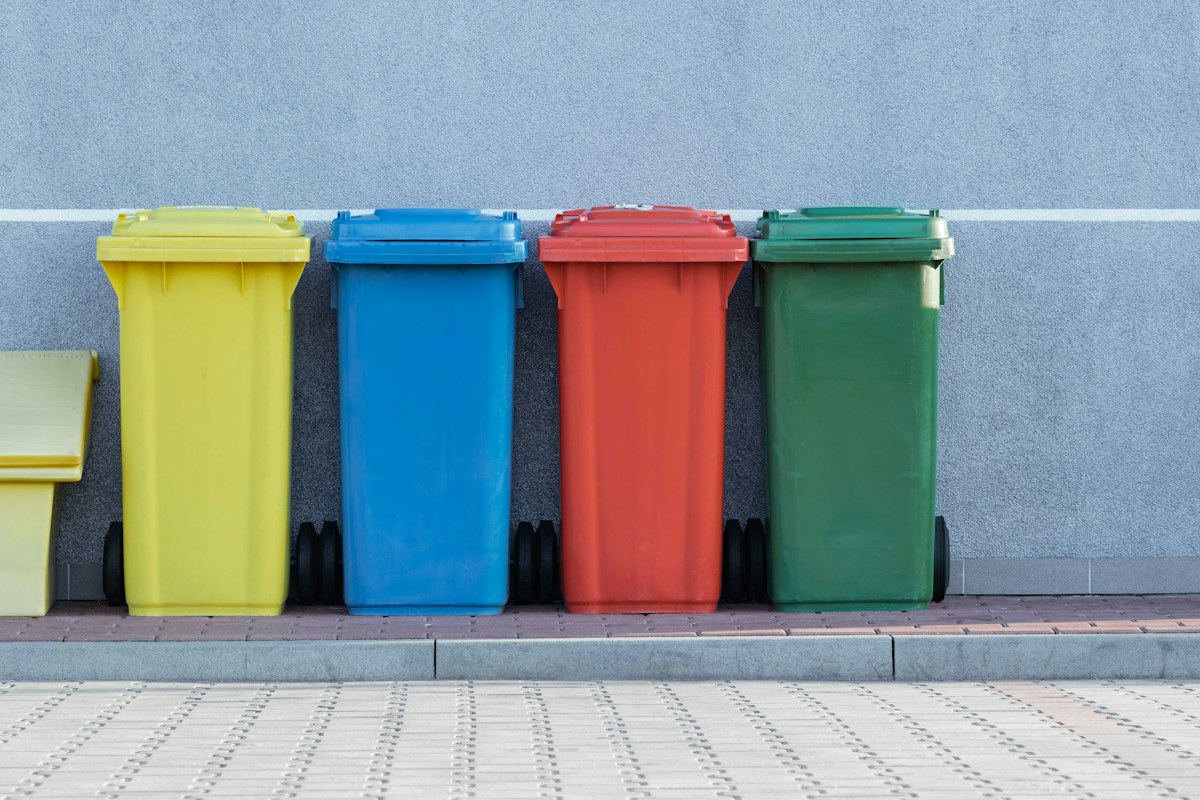
Simple System at Home:
Three Bins Minimum:
-
Organic (Wet Waste):
- Food scraps
- Yard waste
- For composting or biogas
-
Recyclables (Dry Waste):
- Clean plastics, paper, glass, metal
- Rinse containers
- Dry and store
-
General Waste (Everything Else):
- Items that can’t be recycled or composted
- For county collection
More Bins (if space):
- Separate plastics, paper, glass, metal
- Makes selling easier
- Cleaner materials, better prices
Labels and Colors:
- Label bins clearly
- Use different colored bags
- Teach everyone in household
Composting Organic Waste
Why Compost:
- Diverts 50-60% of household waste from dumpsite
- Creates free fertilizer for garden
- Reduces methane from dumpsite
- Good for environment
How to Compost:
Simple Pit Method:
- Dig pit in yard (1m x 1m x 1m)
- Add kitchen scraps and yard waste
- Cover with soil to avoid smell and flies
- Add progressively
- After 3-6 months, compost ready (dark, crumbly, earthy smell)
Compost Bin:
- Buy (KES 3,000-8,000) or build
- Faster than pit
- Easier to manage
- Available at agricultural stores, online
What to Compost:
- Fruit and vegetable scraps
- Coffee grounds and tea leaves
- Eggshells
- Yard waste (grass, leaves)
- Shredded paper
What NOT to Compost:
- Meat, bones, dairy (attract pests, smell)
- Oils and fats
- Diseased plants
- Pet waste
Tips:
- Balance “greens” (wet, nitrogen-rich) and “browns” (dry, carbon-rich)
- Turn occasionally for air
- Keep moist but not soggy
- Chop large items
Managing Recyclables
Rinse and Dry:
- Remove food residue
- Prevents smell and pests
- Increases value
Store Clean:
- Separate types if possible
- Crush plastic bottles (save space)
- Flatten cardboard boxes
- Store in dry place
Take to Collection:
- When you have enough, take to recycling center
- Or call collector
- Or wait for curbside collection (if available)
Waste Collection Services
County Government Collection
How It Works:
- Most urban areas have county waste collection
- Designated collection days
- Central pick-up points or door-to-door
Cost:
- Varies by county
- Nairobi: KES 500-1,000 per month (varies by estate)
- Other towns: KES 200-800
- Included in some property rates
How to Access:
- Register with county environment department
- Pay fees
- Follow collection schedule
Problems:
- Irregular collection in some areas
- Informal settlements often not covered
- Strikes and breakdowns
Private Waste Collection Companies
Who They Are:
- Private companies offering waste collection
- More reliable than county sometimes
- Available in cities and major towns
Major Companies:
- Taka Taka Solutions
- Ecopost
- Takamore
- Bins Limited
- BinIt
- Etc.
Cost:
- KES 1,000-3,000 per month (household)
- Depends on frequency and service level
Services:
- Regular collection (weekly, bi-weekly, daily for businesses)
- Some offer recycling separation
- Tracking and customer service
How to Sign Up:
- Visit website or call
- Choose service level
- Pay (usually M-Pesa)
- Receive bins and schedule
Community-Based Organizations
Some Communities Organize:
- Youth groups
- Women groups
- Informal settlement organizations
Services:
- Waste collection
- Cleaning campaigns
- Sometimes composting projects
How to Access:
- Check with local leaders
- Join or support local initiatives
Recycling in Kenya
The Recycling Industry
Informal Sector Dominates:
- Waste pickers collect recyclables from dumpites and streets
- Small buyers purchase from pickers
- Aggregators collect and sort
- Processors turn into new products or export
Formal Sector Growing:
- Licensed recycling companies
- Processing plants
- Manufacturers using recycled content
Where to Recycle
Recycling Centers and Buy-Back Centers:
How They Work:
- You bring sorted recyclables
- They weigh and pay you
- Or accept for free (drop-off centers)
Finding Centers:
- Ask in your area
- Online directories (some NGOs maintain)
- Social media groups
- County environment offices have lists
Examples:
- Mr. Green Africa (Nairobi, app-based)
- Waste Based Commodities Kenya
- Various small buy-back centers in estates
What They Accept and Rough Prices:
- PET plastic bottles: KES 15-25 per kg
- Scrap paper: KES 3-8 per kg
- Cardboard: KES 5-12 per kg
- Aluminum: KES 80-120 per kg
- Steel/Iron: KES 10-30 per kg
- Glass: KES 1-5 per kg (often free drop-off)
Prices vary by location, quality, and market demand.
Curbside Recycling:
- Limited in Kenya
- Some private companies offer
- Separate recyclables, they collect
- Usually part of premium service
Specific Recyclables
Plastic Bottles (PET):
- Most valuable
- Clean and remove labels
- Crush to save space
- Collected everywhere
Other Plastics:
- Check type (number 1-7)
- Some recycled, some not
- Ask recycling center what they accept
Paper and Cardboard:
- Keep dry
- Remove tape and staples if possible
- Schools sometimes collect for fundraising
Glass:
- Low value
- Heavy to transport
- Some bottlers take back (beer bottles)
- Free drop-off at some centers
Metals:
- Aluminum (cans) valuable
- Steel less valuable but still recycled
- Scrap metal dealers everywhere
E-Waste (Electronics):
- Computers, phones, TVs, etc.
- Hazardous if dumped
- Special e-waste recyclers
E-Waste Recyclers in Kenya:
- WEEE Centre (Nairobi, Nakuru, Eldoret, Kisumu, Mombasa)
- Waste Electrical and Electronic Equipment Centre
- Free drop-off
- Proper recycling and disposal
Batteries:
- Hazardous
- Some retailers accept (check with battery sellers)
- Special collection events
Clothes and Textiles:
- Donate wearable items (children’s homes, charities)
- Sell to mitumba collectors
- Rags for unwearable items
Innovative Recycling Businesses
Ecopost:
- Turns plastic waste into plastic lumber (fence posts, furniture)
- Collect plastics in Nairobi
- www.ecopost.co.ke
Gjenge Makers:
- Plastic waste into paving blocks
- Stronger than concrete
- Nairobi-based
Mr. Green Africa:
- App-based recycling collection
- Points system (rewards)
- Nairobi
- www.mr-green.africa
Takataka Solutions:
- Waste collection and recycling
- Providing employment
- Nakuru and Nairobi
Government Regulations and Bans
Single-Use Plastic Bag Ban (2017)
What’s Banned:
- Plastic carrier bags (thin bags from shops)
- Manufacturing, importation, sale, use
Penalties:
- Fines up to KES 4 million
- Imprisonment up to 4 years
- Strictly enforced
Allowed:
- Reusable bags
- Bags for specific uses (waste bags, etc.)
Impact:
- Significant reduction in plastic bag litter
- Shift to alternatives (paper bags, reusable bags, baskets)
Extended Producer Responsibility (EPR)
Concept:
- Producers responsible for products’ end-of-life
- Must take back and recycle
In Kenya:
- EPR regulations being implemented
- Plastic packaging, electronics, tires, etc.
- Companies must register and comply
- Deposit-refund systems being considered
Waste Management Regulations
The National Environment Management Authority (NEMA):
- Enforces environmental laws
- Licenses waste handlers
- Fines for illegal dumping
Illegal Dumping:
- Prohibited
- Penalties: Fines (KES 1,000-10,000) or imprisonment
- Report to NEMA or county askaris
Community Action and Cleanup Campaigns
Joining Cleanups
Regular Cleanups:
- Many organizations organize
- Rivers, beaches, streets, estates
- Usually weekends
- Free to join
Examples:
- Let’s Do It Kenya (annual cleanup, September)
- Nairobi River Cleanup
- Coast Beach cleanups
- School and church groups
How to Participate:
- Follow on social media
- Show up on day
- Bring gloves, bags (often provided)
Organizing Community Cleanup
Steps:
- Mobilize neighbors
- Choose date and area
- Get supplies (gloves, bags, rakes)
- Notify county for waste collection
- Execute cleanup
- Dispose properly (don’t just move waste elsewhere)
- Plan regular cleanups
Benefits:
- Cleaner neighborhood
- Community bonding
- Raise awareness
- Prevent drainage blockage
Youth and School Involvement
School Programs:
- Waste separation in schools
- Composting school organic waste
- Recycling fundraisers (collect paper, plastics, sell)
- Environmental clubs
- Cleanups
Youth Opportunities:
- Start waste collection business
- Recycling entrepreneurship
- Advocacy and awareness
Business and Innovation Opportunities
Waste as Resource
Waste is Valuable:
- Recyclables have market value
- Organic waste becomes compost or biogas
- Jobs created throughout chain
Opportunities:
Collection Business:
- Start small (estate, few clients)
- Grow to bigger contracts
- Low startup: Cart or pickup, bags, labor
- Revenue from collection fees
Recycling Collection and Aggregation:
- Collect recyclables from households or pickers
- Sort and aggregate
- Sell to processors
- Need space, scale, transport
Composting:
- Collect organic waste
- Produce compost
- Sell to farmers, gardeners
- Need land, knowledge
Upcycling/Crafts:
- Turn waste into products
- Bags from packaging, jewelry from waste, etc.
- Creative and entrepreneurial
E-Waste Repair/Refurbishment:
- Repair electronics
- Extend life
- Spare parts from unfixable items
Support for Green Businesses
Kenya Climate Innovation Center (KCIC):
- Supports green startups
- Training, mentorship, financing connections
- Nairobi-based
Various Grants and Competitions:
- Youth funds
- County government support
- Pitching competitions
What You Can Do
Individual Actions
-
Reduce Consumption:
- Think before buying
- Choose products with less packaging
- Avoid single-use items
-
Reuse Creatively:
- Second life for items
- Donate, sell, or give away
-
Separate Waste:
- Organic, recyclable, general
- Teach family members
-
Compost:
- Food scraps and yard waste
- Free fertilizer
-
Recycle:
- Take recyclables to centers
- Support recycling businesses
-
Proper Disposal:
- Use county or private collection
- Never dump illegally
- Hazardous waste to proper places
-
Refuse Single-Use Plastics:
- Carry reusable bag, bottle, cup
- Say no to straws and disposables
-
Advocate:
- Support better waste policies
- Hold county accountable
- Educate others
Community Actions
- Organize cleanups
- Start waste separation programs
- Community composting
- Pressure for better services
- Support local waste businesses
Resources and Contacts
Government
National Environment Management Authority (NEMA):
- Enforce environmental laws
- Report illegal dumping: NEMA hotline or county offices
- Website: www.nema.go.ke
County Environment Department:
- Waste collection registration
- Complaints about services
- Information on county programs
NGOs and Organizations
Kenya Alliance of Resident Associations (KARA):
- Community mobilization
- Cleanups
Let’s Do It Kenya:
- Annual cleanup campaigns
- www.letsdoitkenya.org
Eco-Waste Recyclers:
- E-waste collection and recycling
- Various locations
Apps and Technology
Mr. Green Africa App:
- Book recycling collection
- Earn points
- Nairobi
Taka Taka Solutions App:
- Waste collection booking
Conclusion
Waste management is everyone’s responsibility. Kenya’s waste crisis won’t be solved by government alone - it requires action from individuals, communities, businesses, and authorities working together.
Start in your home: reduce what you buy, reuse what you can, separate your waste, compost organic matter, and recycle. Proper disposal of what remains is essential. These simple steps, multiplied across millions of households, create massive impact.
Support businesses and organizations working on waste solutions. Participate in community cleanups. Teach children good waste habits. Advocate for better policies and services. Waste is not just rubbish - it’s a resource that can create jobs, protect our environment, and build a cleaner, healthier Kenya.
The path to a clean Kenya starts with proper waste management. Your actions today determine the environment we leave for tomorrow.